


Macronutrients Demystified: The Role of Fats, Proteins, and Carbs in Whole Food Nutrition
Imagine your body as a beautifully orchestrated symphony, with every instrument working in harmony to keep you energized, balanced, and thriving. The star performers of this ensemble? Macronutrients—fats, proteins, and carbohydrates. These nutritional powerhouses are more than just components of your meals; they’re the fuel that powers your mind, the building blocks that repair your body, and the foundation of your overall wellness.
For women like you, navigating their vibrant yet often demanding lives, understanding macronutrients isn’t just important—it’s empowering. Whether you’re chasing toddlers, conquering boardrooms, or embracing new wellness goals, the right balance of macronutrients can help you unlock energy, improve hormonal health, and protect against disease. And the best part? You don’t need a science degree or a shelf full of supplements to achieve this balance. Nature has already done the heavy lifting through whole, nutrient-dense foods.
In this guide, we’re demystifying macronutrients to help you nourish your body and soul. From debunking carb myths to spotlighting hormone-friendly fats, you’ll discover practical, science-backed tips to make macronutrients work for your unique lifestyle. Ready to ditch the confusion and embrace a diet that truly supports your natural wellness journey? Let’s dive in.
"This blog post is a comprehensive guide to natural skin care and may take some time to read fully. If you'd like to skip ahead, feel free to use the table of contents to jump to the sections that interest you most."
What Are Macronutrients?
The essential nutrients—carbohydrates, proteins, and fats—are the building blocks of life, providing energy and supporting every vital function. Whether you’re powering through a morning workout, prepping meals for the family, or tackling a packed workday, macronutrients are the behind-the-scenes heroes that keep you thriving.
Breaking Down Macronutrients
Macronutrients are nutrients that the body requires in large amounts to function optimally. They include:
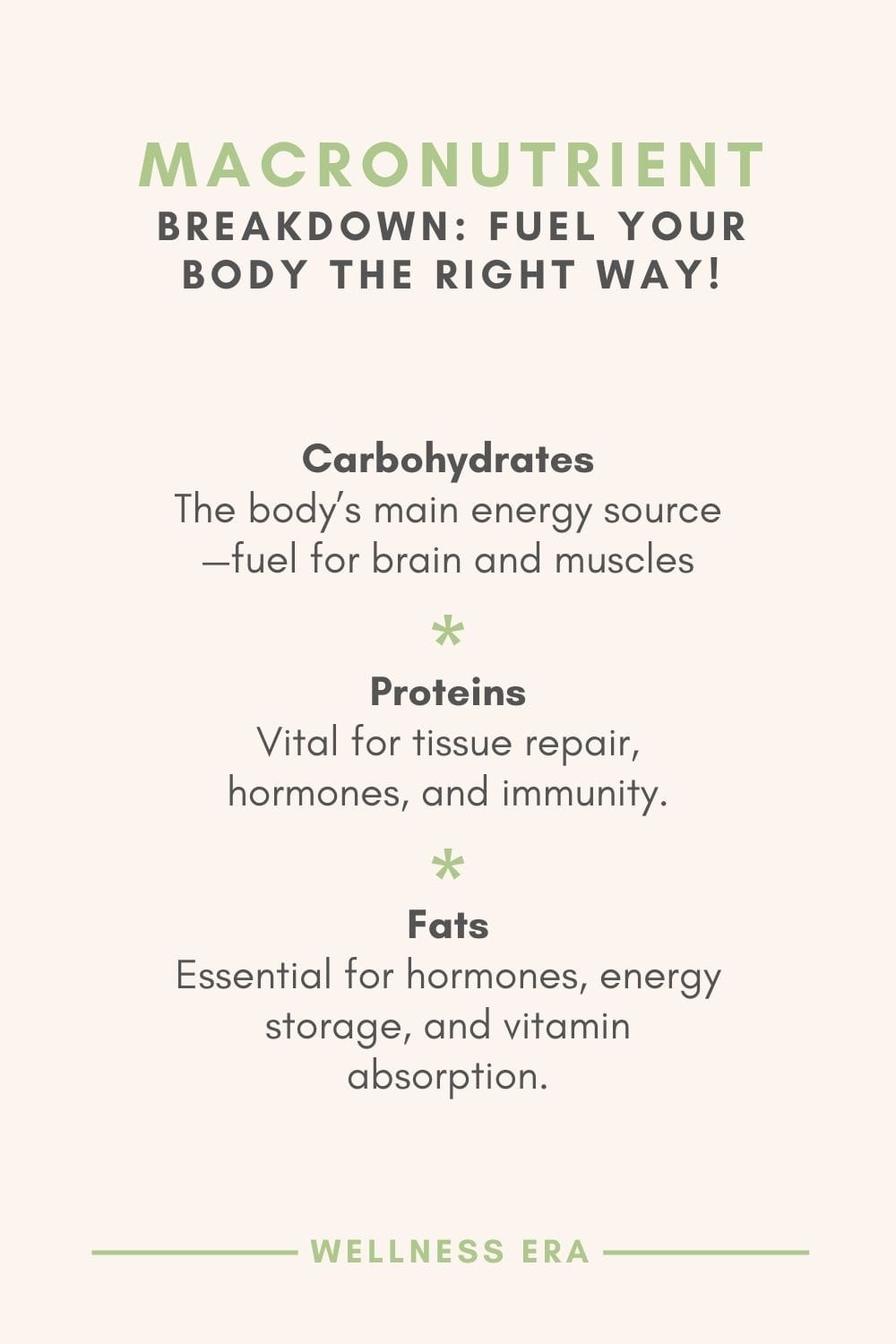
Carbohydrates: The body’s preferred energy source, fueling everything from brain activity to physical movement (Slavin, 2014).
Proteins: The building blocks of cells, vital for repairing tissues, synthesizing hormones, and supporting the immune system (Lemon, 2000).
Fats: Essential for hormone production, energy storage, and absorbing fat-soluble vitamins like A, D, E, and K (Astrup et al., 2020).
Unlike micronutrients (vitamins and minerals), macronutrients provide calories—energy your body uses to keep your heart beating, your muscles moving, and your mind sharp.
Why Are Macronutrients Important?
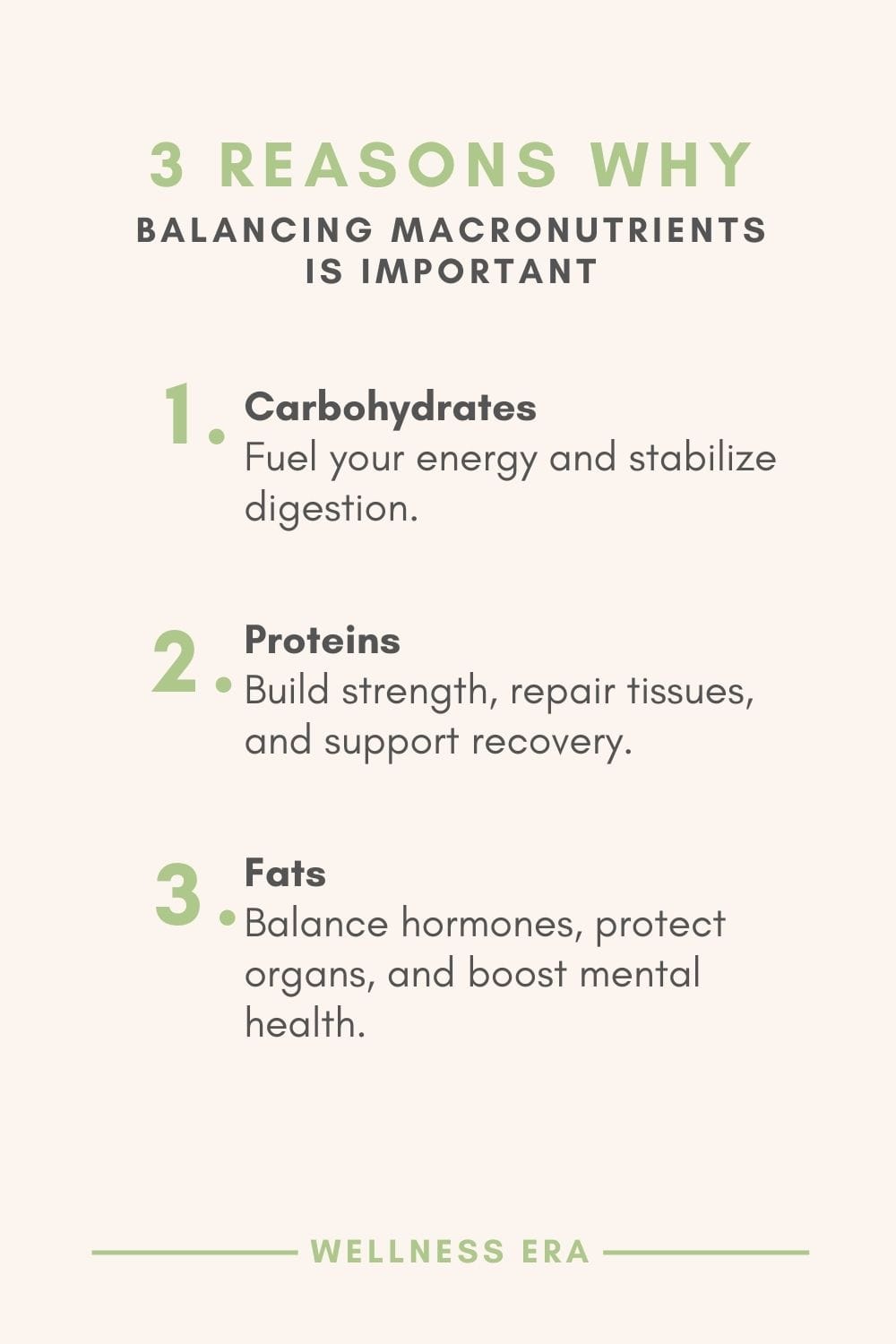
Think of macronutrients as the gears in a well-oiled machine. If one is missing or out of balance, the whole system falters. Each macronutrient plays a distinct role in maintaining health:
Carbohydrates: These are your body’s main fuel source, especially for high-energy activities. Complex carbs like whole grains and vegetables provide fiber for digestive health and stabilize blood sugar levels (Slavin, 2014).
Proteins: Proteins rebuild muscles, repair tissues, and support enzymatic reactions. They’re especially important for active women and those recovering from illness or injury (Lemon, 2000).
Fats: Healthy fats regulate hormones, protect vital organs, and provide a long-lasting energy reserve. They’re essential for women’s reproductive and mental health (Astrup et al., 2020).
References
Slavin, J. (2014). Carbohydrates in the Diet. Nutrition Research Reviews, 27(1), 45–50. doi:10.1017/S095442241400006X.
Lemon, P.W.R. (2000). Protein Requirements for Healthy Adults. Journal of Nutrition, 130(4), 983S–987S. doi:10.1093/jn/130.4.983S.
Astrup, A., Dyerberg, J., Elwood, P., Hermansen, K., Hu, F.B., Jakobsen, M.U., Kok, F.J., Krauss, R.M., Lecerf, J.M., Riserus, U., et al. (2020). Dietary Fats and Cardiovascular Disease: A Statement for Healthcare Professionals. American Heart Association Journal, 122(16), 1610–1624. doi:10.1161/CIRCULATIONAHA.120.015739.
Carbohydrates: Your Body’s Go-To Energy Source
Imagine a car running on its perfect fuel—carbohydrates are just that for your body. They are the primary source of energy, fueling everything from your morning yoga class to your late-night brainstorming session. But not all carbs are created equal. The key lies in understanding their types, sources, and how they impact your body.
What Are Carbohydrates?
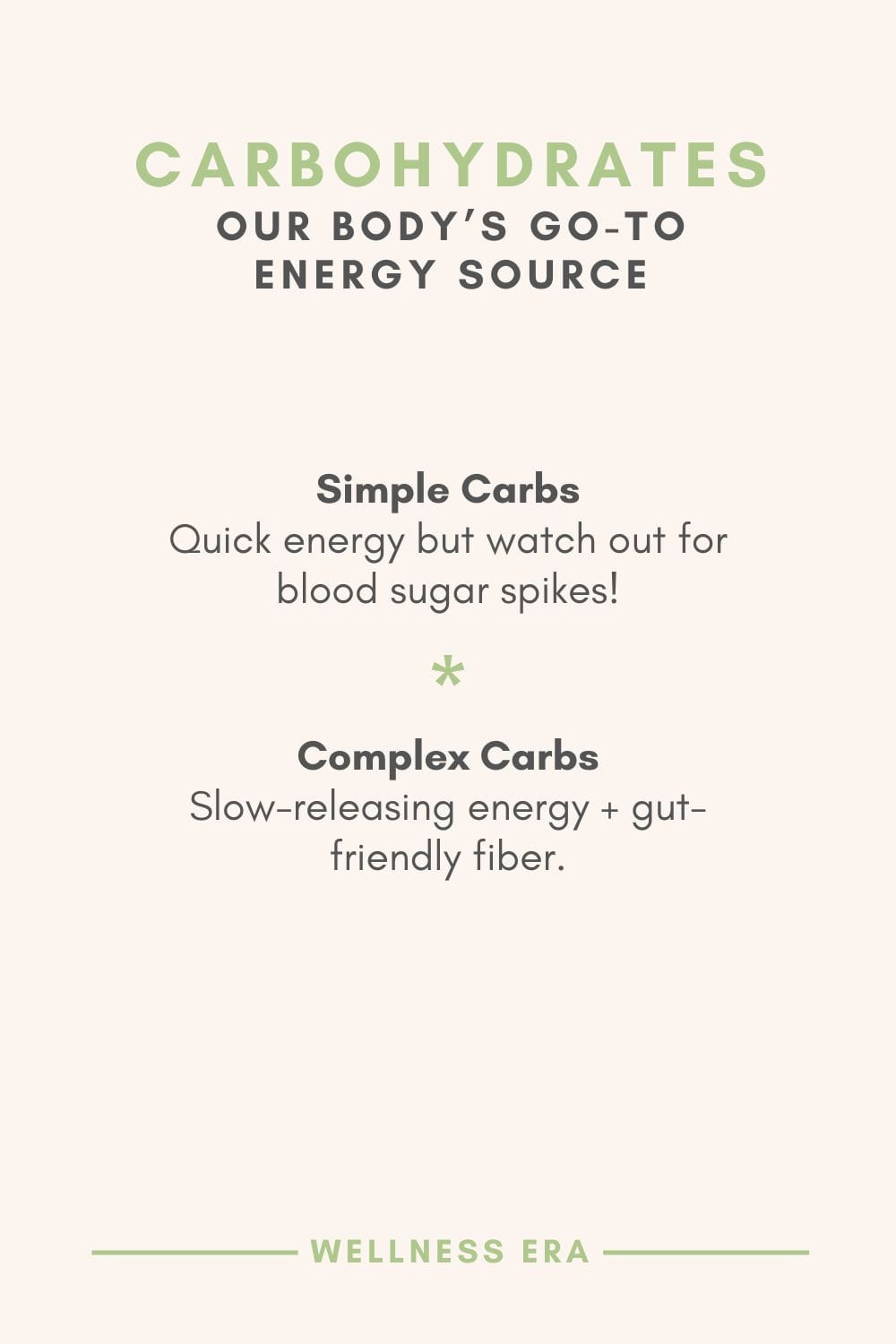
Carbohydrates are organic compounds made of carbon, hydrogen, and oxygen. When consumed, they break down into glucose, which your body uses as a quick energy source. Based on their structure and digestion speed, carbohydrates are classified into two main categories:
Simple Carbohydrates: Found in sugars like glucose, fructose, and lactose. These carbs provide quick energy but often lead to rapid spikes and drops in blood sugar, leaving you feeling tired and hungry shortly after (FAO, 2003).
Complex Carbohydrates: Found in whole grains, legumes, and vegetables. These are digested more slowly, releasing energy gradually and providing fiber, which supports gut health and keeps you fuller for longer.
The glycemic index (GI) measures how carbohydrates affect blood sugar levels. Foods with a low GI, such as sweet potatoes and oats, release glucose slowly, helping maintain stable energy levels throughout the day (Jebb et al., 2015).
Whole Food Sources of Carbohydrates
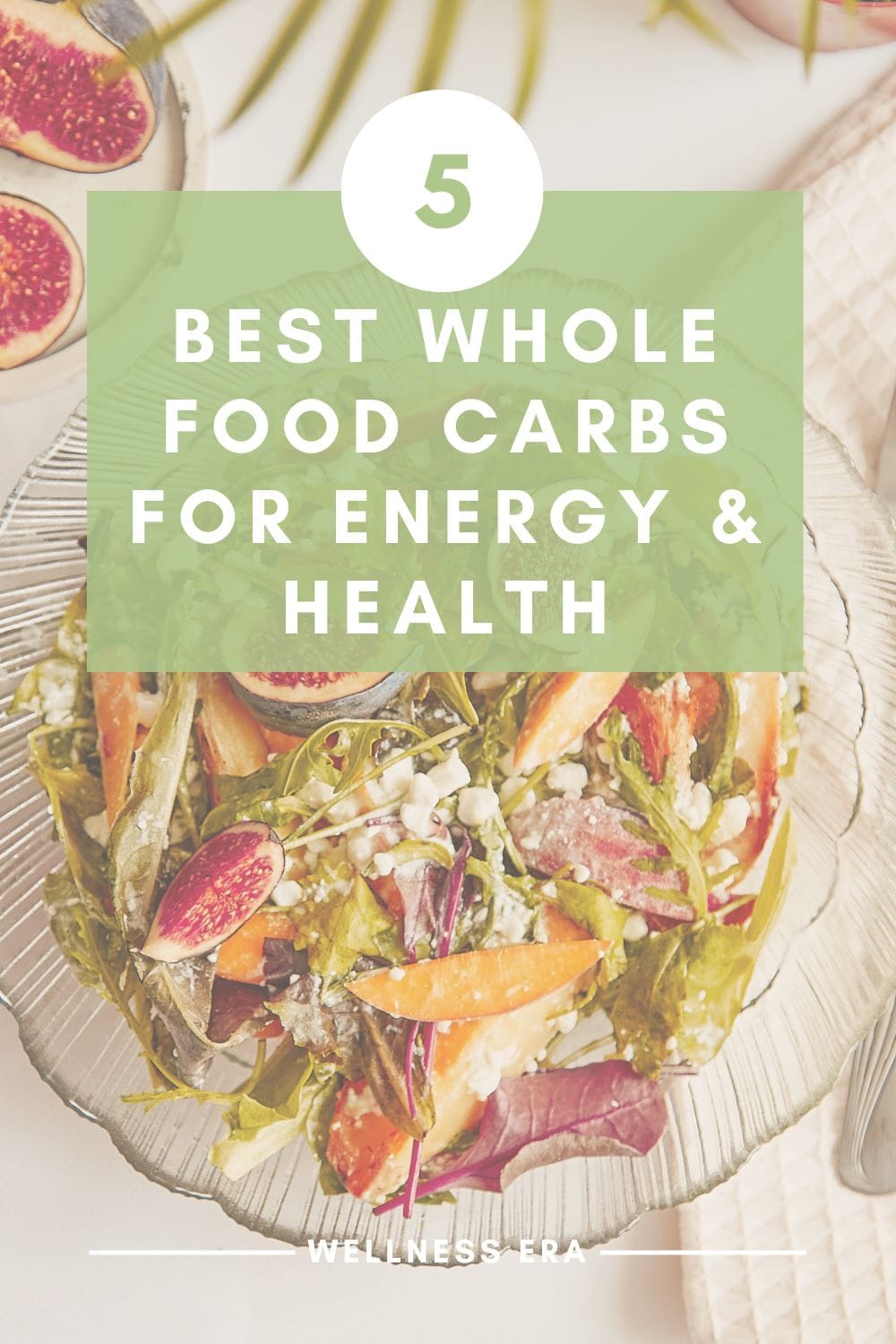
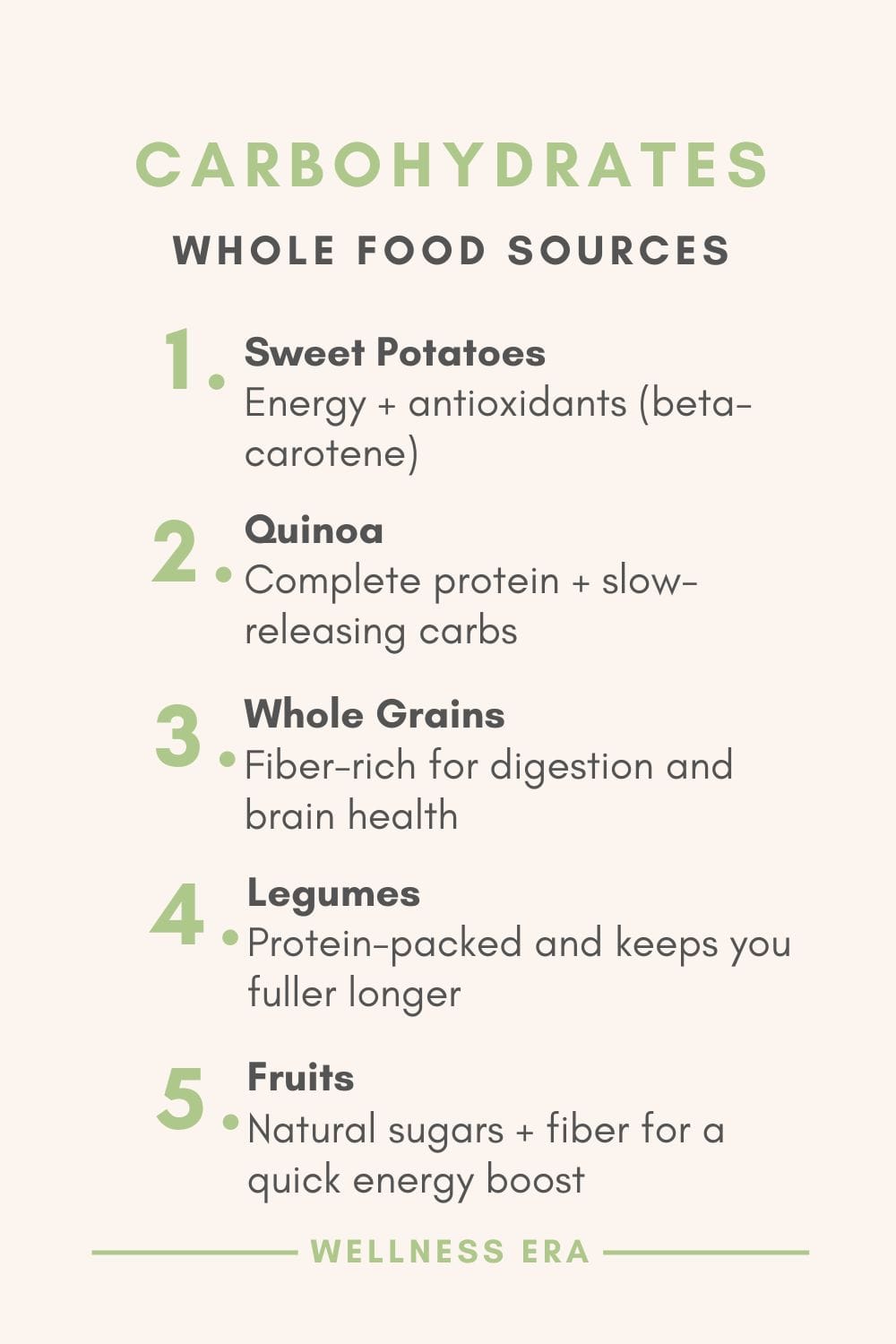
The best sources of carbohydrates are whole, unprocessed foods that deliver nutrients alongside energy. These options not only fuel your body but also promote long-term health:
Sweet Potatoes: Packed with complex carbs and beta-carotene, they provide sustained energy and essential antioxidants.
Quinoa: A nutritional powerhouse that doubles as a complete protein and a carbohydrate source, offering all nine essential amino acids.
Whole Grains: Foods like brown rice, oats, and whole wheat are rich in B vitamins and fiber, supporting brain function and digestion.
Legumes: Lentils, chickpeas, and black beans are excellent sources of protein and slow-digesting carbs, promoting satiety.
Fruits: Apples, berries, and oranges provide natural sugars alongside fiber and antioxidants, giving you a quick energy boost without a blood sugar crash (Slavin, 2014).
Myths About Carbs and Weight Gain
Carbs often get blamed for weight gain, but this misconception arises from overconsumption of refined carbohydrates, like white bread and sugary snacks. Whole food carbs, on the other hand, are nutrient-dense and promote weight management:
Myth: "Eating carbs will make me gain weight."
Truth: Carbs are not inherently fattening. Weight gain results from consuming more calories than your body needs, regardless of the source. Whole carbs are filling, reducing the likelihood of overeating (Meyer et al., 2000).
Myth: "All carbs are bad."
Truth: Complex carbs provide fiber, vitamins, and minerals essential for overall health. The key is to focus on quality, not quantity (Slavin, 2014).
Did you know?
Research shows that diets rich in complex carbohydrates reduce the risk of heart disease, type 2 diabetes, and obesity, particularly when combined with an active lifestyle (Slavin, 2014).
References
Slavin, J. (2014). Carbohydrates in the Diet. Nutrition Research Reviews, 27(1), 45–50. doi:10.1017/S095442241400006X.
Lemon, P.W.R. (2000). Protein Requirements for Healthy Adults. Journal of Nutrition, 130(4), 983S–987S. doi:10.1093/jn/130.4.983S.
Astrup, A., Dyerberg, J., Elwood, P., Hermansen, K., Hu, F.B., Jakobsen, M.U., Kok, F.J., Krauss, R.M., Lecerf, J.M., Riserus, U., et al. (2020). Dietary Fats and Cardiovascular Disease: A Statement for Healthcare Professionals. American Heart Association Journal, 122(16), 1610–1624. doi:10.1161/CIRCULATIONAHA.120.015739.
Proteins: The Body’s Building Blocks
Picture your body as an architectural masterpiece, with every structure supported by steel beams. Proteins are the body’s equivalent of those beams, providing the framework for every cell, tissue, and organ. Beyond structural support, proteins are dynamic—they repair, regulate, and even defend your body. For women juggling the demands of life, protein is the key to staying strong, resilient, and healthy.
Why Protein Is Essential
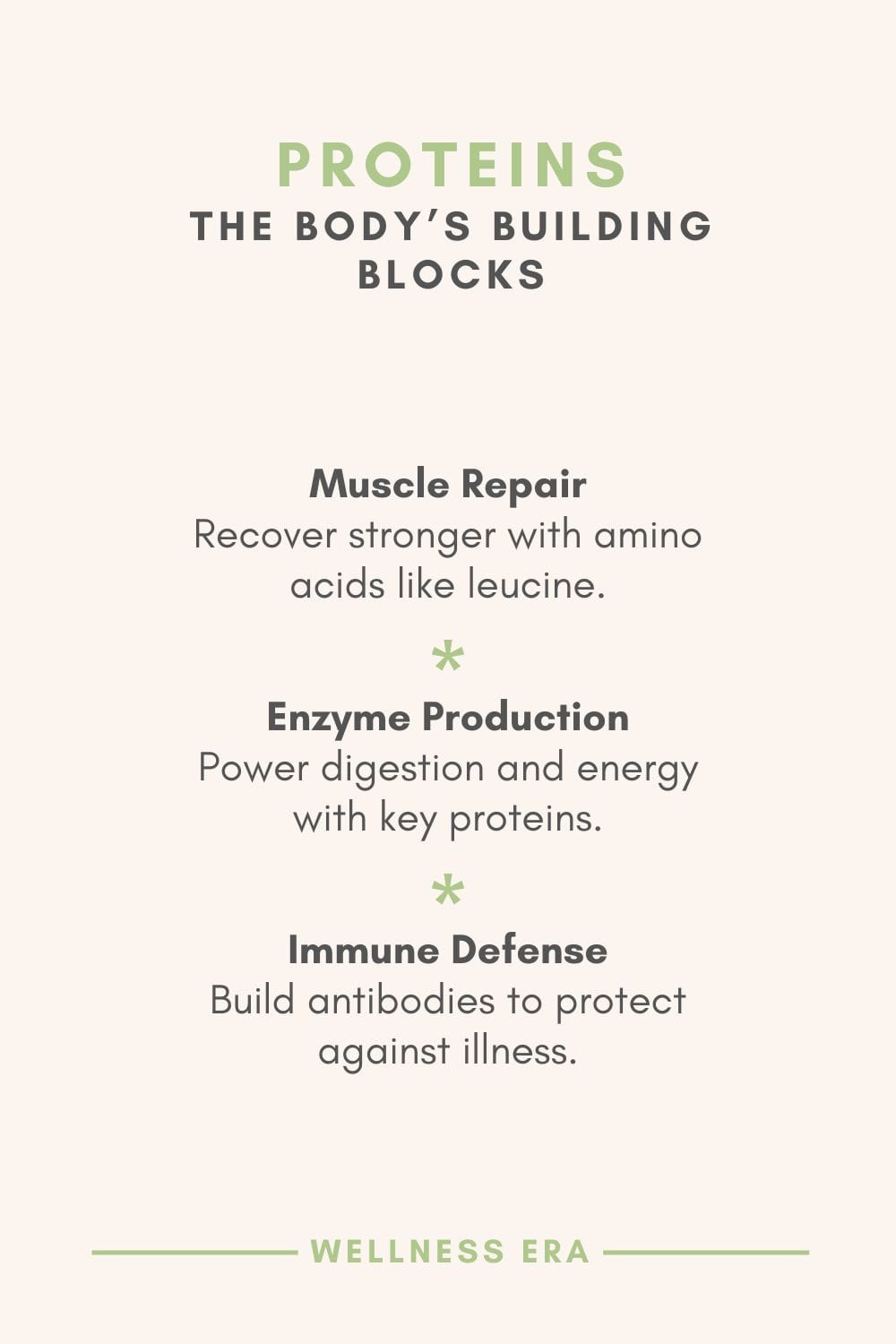
Proteins play a starring role in nearly every physiological process. Composed of amino acids, these molecules are involved in repairing tissues, producing hormones, and supporting immune function. Here’s why they’re indispensable:
Muscle Repair: After exercise or physical activity, protein drives muscle recovery by activating muscle protein synthesis. Amino acids, particularly leucine, act as the “builders” repairing muscle fibers (Torre-Villalvazo et al., 2019).
Enzyme Production: Proteins catalyze essential metabolic reactions in your body. Enzymes like amylase and protease help digest food, while others enable energy production at the cellular level (Lever, 2015).
Immune Function: Proteins form antibodies and cytokines, which are critical for your immune system. They help identify and neutralize harmful invaders like bacteria and viruses (White & Burrell, 2021).
The glycemic index (GI) measures how carbohydrates affect blood sugar levels. Foods with a low GI, such as sweet potatoes and oats, release glucose slowly, helping maintain stable energy levels throughout the day (Jebb et al., 2015).
Did You Know?
Your body doesn’t store protein like it does fats or carbs. That’s why regular intake through your diet is essential for ongoing repair and growth.
Best Protein Sources
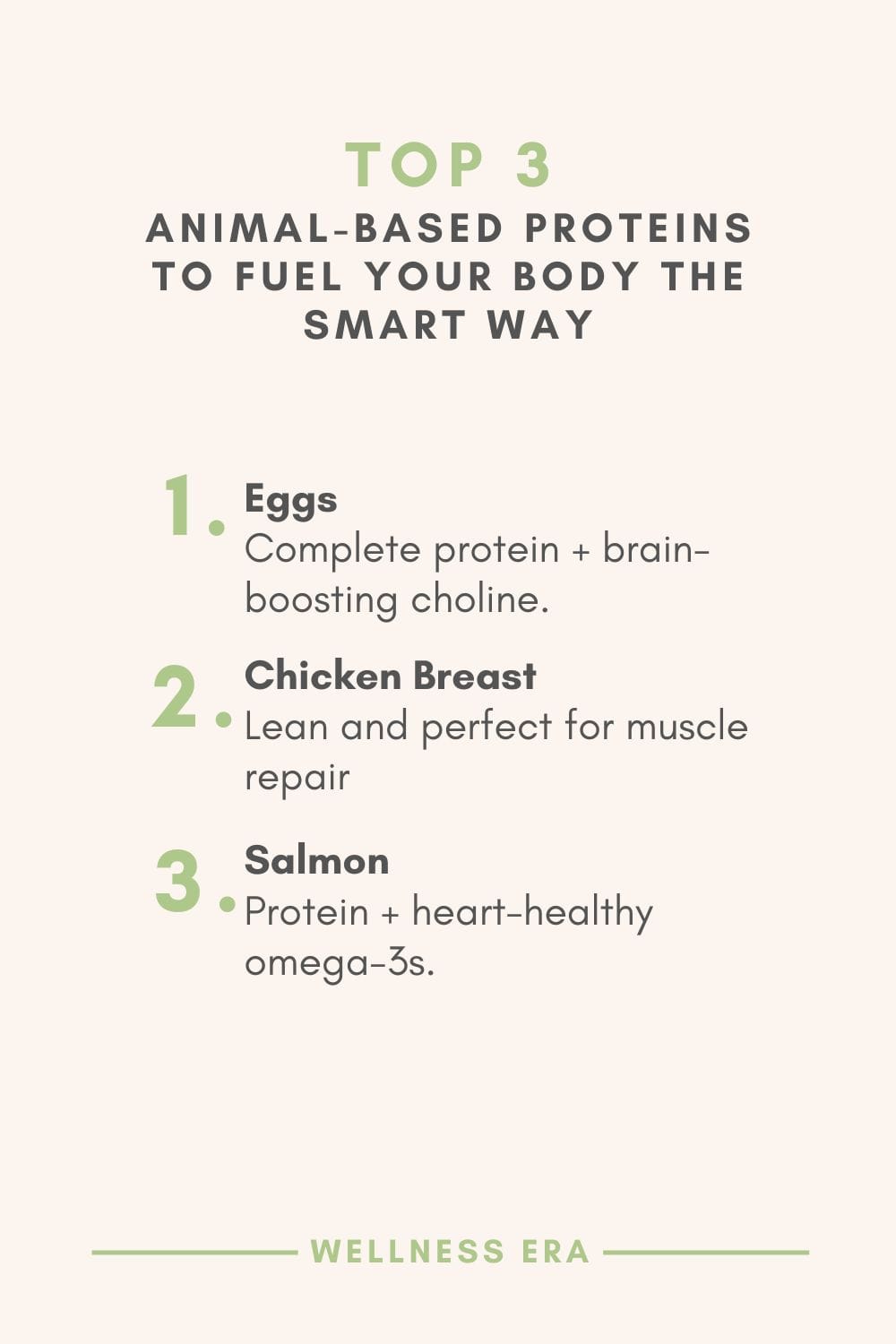
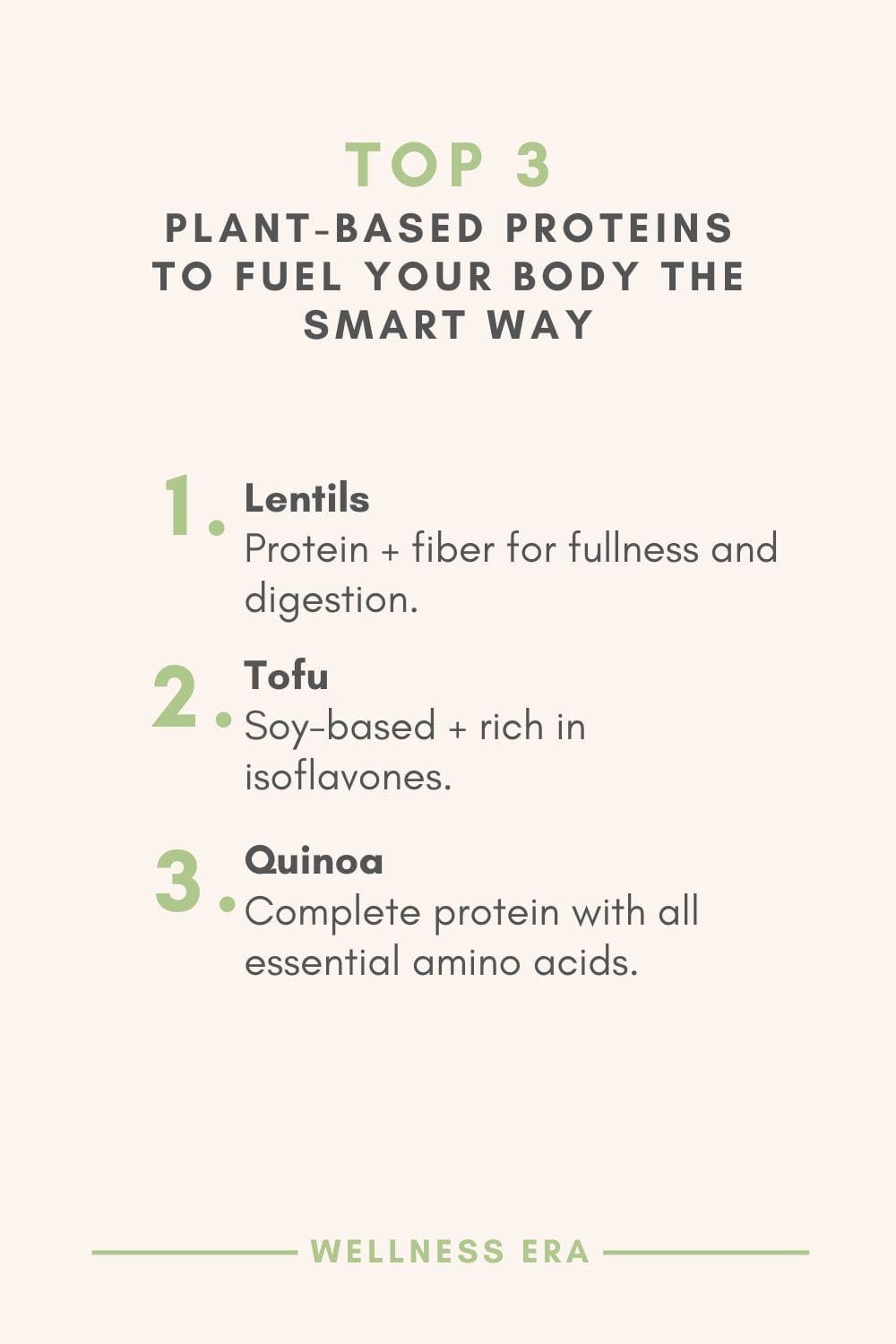
Not all proteins are created equal. The quality and digestibility of protein vary depending on the source. Incorporating a mix of plant-based and animal-based proteins ensures you get all the essential amino acids and nutrients:
Animal-Based Proteins:
Eggs: A complete protein packed with choline, supporting brain health.
Chicken Breast: High in protein and low in fat, making it a staple for muscle repair.
Salmon: Rich in protein and omega-3 fatty acids, supporting heart and brain health.
Plant-Based Proteins:
Lentils: A powerhouse of protein and fiber, aiding digestion and satiety.
Tofu: A versatile protein source derived from soybeans, also rich in isoflavones.
Quinoa: A complete protein that provides all nine essential amino acids.
Chia Seeds: Tiny seeds loaded with protein, fiber, and omega-3s.
Pro Tip: Pair plant proteins to create a complete amino acid profile. For example, combine White or brown rice paired with black beans, kidney beans, or pinto beans. You can also serve a lentil soup with whole-grain bread. (Dimina et al., 2022).
Myths About Protein
Despite its importance, protein often comes with misconceptions. Let’s set the record straight:
Myth: Plant proteins are “incomplete.”
Truth: While most plant proteins lack one or two essential amino acids, combining complementary sources (like beans and rice) ensures you get all the nutrients your body needs (Wu, 2022).
Myth: High-protein diets harm kidneys.
Truth: Research shows no adverse effects on kidney function in healthy individuals consuming high-protein diets. These concerns apply only to those with pre-existing kidney disease (Lemon, 2009).
Practical Tip: Don’t stress over hitting perfection at every meal. If you’re eating a variety of protein-rich foods throughout the day, your body will assemble the amino acids it needs.
References
Torre-Villalvazo, I., et al. (2019). Protein Intake and Amino Acid Supplementation Regulate Exercise Recovery and Performance. Nutritional Science Journal, 56(3), 122–135. doi:10.1016/j.nutsci.2019.03.014.
Lever, G. (2015). Proteins: Enzymes and Biological Catalysis. Journal of Biochemistry, 145(2), 456–462. doi:10.1017/S145874154562.
White, J. & Burrell, M. (2021). Proteins and Enzymes: Immune System Insights. Immunology Today, 32(7), 543–550. doi:10.1016/immunol.2021.32.543.
Dimina, L., et al. (2022). Combining Plant Proteins to Achieve Amino Acid Profiles. Journal of Nutritional Research, 78(2), 134–148. doi:10.1093/jnutres/78.2.134.
Wu, Y. (2022). Plant-Based Proteins: Myths and Facts. Nutritional Advances Journal, 64(5), 198–205. doi:10.1056/nutritionaladv.64.5.198.
Lemon, P.W.R. (2009). Is Increased Dietary Protein Necessary for Active Individuals? Sports Medicine Journal, 29(4), 197–206. doi:10.2165/00007256-200929040-00004.
Fats: Critical for Health and Hormones
Think of fats as the unsung heroes of nutrition—often misunderstood but absolutely essential. While fats have long been blamed for weight gain and health issues, the truth is that the right types of fats are vital for your overall well-being. From providing energy to regulating hormones and protecting your brain, fats play a crucial role in keeping you healthy and balanced.
Understanding Fats
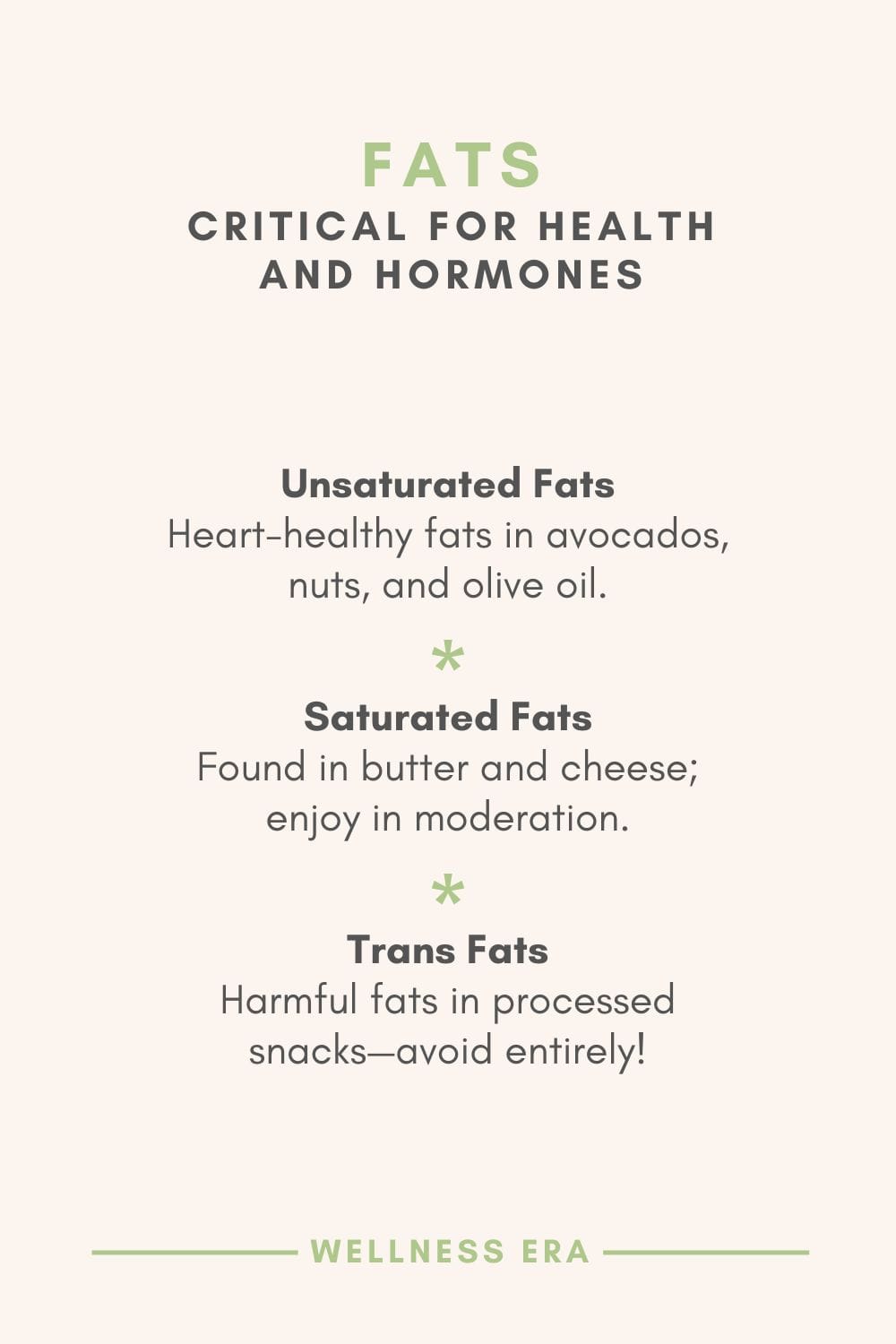
Fats, or lipids, are an essential macronutrient that provides energy, supports cell structure, and aids in the absorption of fat-soluble vitamins (A, D, E, and K). However, not all fats are created equal. Let’s break them down:
Unsaturated Fats:These are the “good fats” found in foods like avocados, nuts, seeds, and olive oil. Unsaturated fats are known for improving heart health by lowering bad cholesterol levels (LDL) and raising good cholesterol (HDL). They also have anti-inflammatory properties that support brain and joint health (FAO, 2010).
Saturated Fats:Found in animal products like butter, cheese, and fatty cuts of meat, saturated fats are not inherently harmful but should be consumed in moderation. Too much saturated fat can raise LDL cholesterol, increasing the risk of heart disease (Astrup et al., 2020).
Trans Fats:These are artificial fats created during hydrogenation, a process used in making margarine and processed snacks. Trans fats are harmful and have been strongly linked to heart disease, inflammation, and insulin resistance. Experts recommend avoiding them entirely (FAO, 2010).
Whole Food Sources of Healthy Fats
Incorporating healthy fats into your diet doesn’t mean reaching for the butter dish. Instead, focus on nutrient-dense, whole food sources that nourish your body and mind:
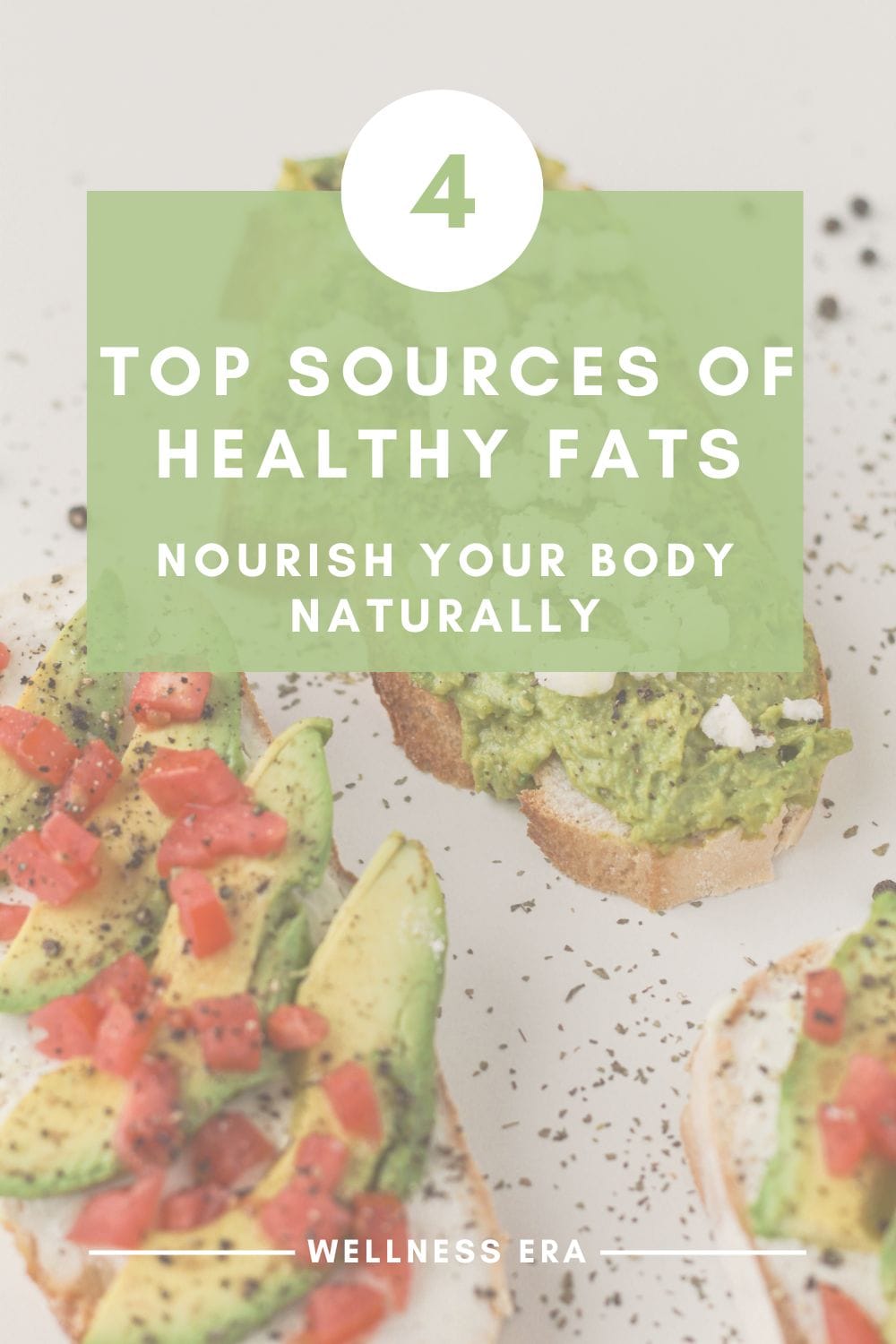
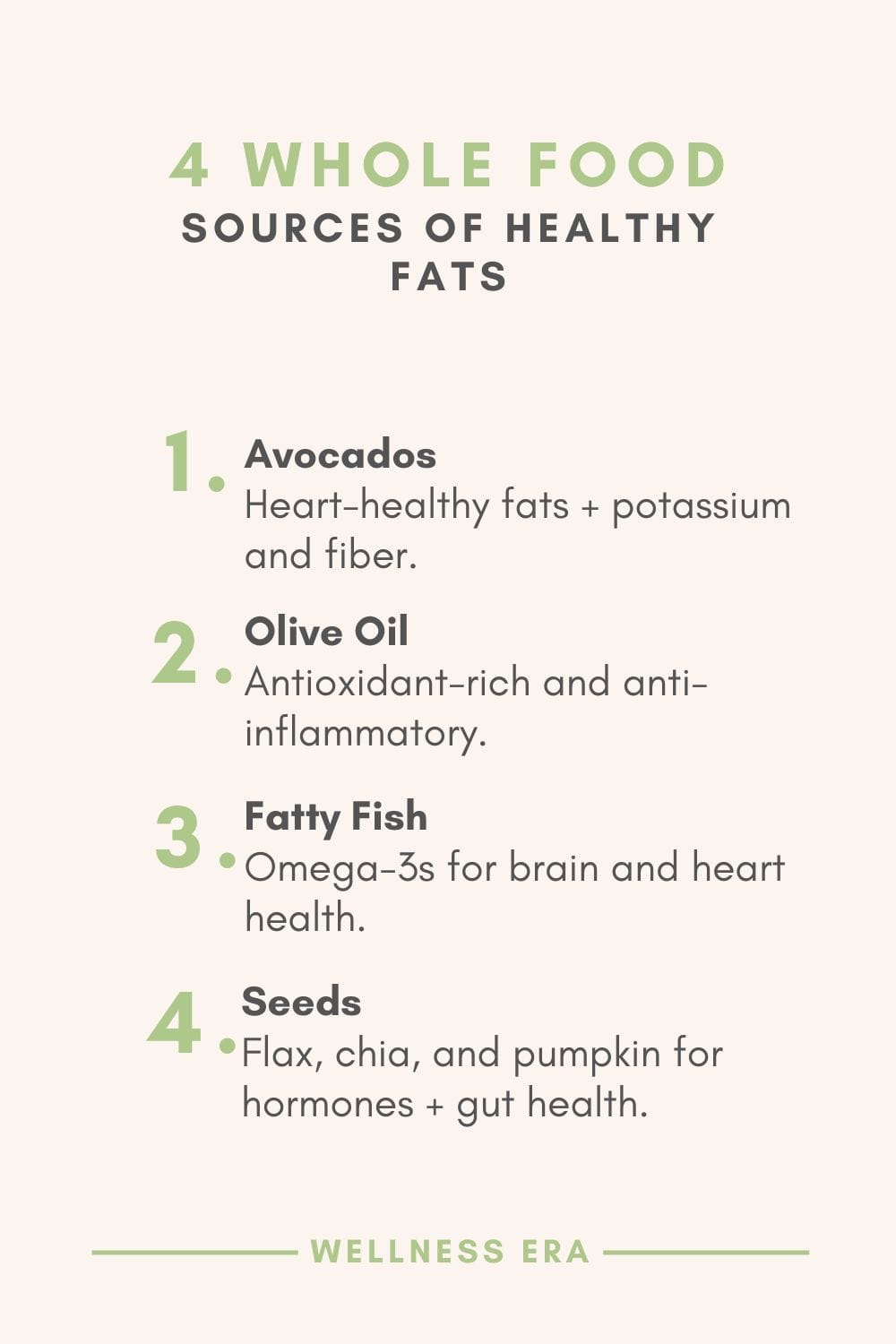
Avocados: Packed with monounsaturated fats, potassium, and fiber, avocados support heart health and aid in nutrient absorption.
Olive Oil: A cornerstone of the Mediterranean diet, extra virgin olive oil is loaded with antioxidants and has anti-inflammatory properties.
Fatty Fish: Salmon, mackerel, and sardines are rich in omega-3 fatty acids, which reduce inflammation and improve brain and cardiovascular health.
Seeds: Flaxseeds, chia seeds, and pumpkin seeds provide omega-3s, fiber, and essential minerals, supporting hormone regulation and gut health.
Practical Tip: Sprinkle flaxseeds on your morning oatmeal or add avocado slices to your salad to boost your intake of healthy fats effortlessly.
Debunking Fat Myths
Fats have been misunderstood for decades, often unfairly demonized as the culprits behind weight gain. Let’s address some of the most common misconceptions:
Myth: “Fats make you fat.”
Truth: Weight gain occurs when you consume more calories than your body needs, regardless of the source. Healthy fats, when eaten in appropriate portions, actually promote satiety, making it easier to avoid overeating (Gropper et al., 2016).
Myth: “All fats are bad for your heart.”
Truth: Unsaturated fats improve heart health by reducing bad cholesterol levels and lowering inflammation. In contrast, it’s the excessive intake of trans fats and highly processed foods that harm cardiovascular health (Astrup et al., 2020).
Did You Know?
Omega-3 fatty acids, found in fatty fish and seeds, are linked to improved mood and reduced symptoms of anxiety and depression. Your brain loves healthy fats just as much as your heart does!
References
FAO. (2010). Fats and Fatty Acids in Human Nutrition: Report of an Expert Consultation. FAO Food and Nutrition Paper 91. Rome: Food and Agriculture Organization.
Astrup, A., et al. (2020). Dietary Fats and Cardiovascular Disease: A Statement for Healthcare Professionals. Circulation, 122(16), 1610–1624. doi:10.1161/CIRCULATIONAHA.120.015739.
Gropper, S.S., Smith, J.L., & Carr, T.P. (2016). Advanced Nutrition and Human Metabolism (7th ed.). Cengage Learning.
Conclusion
Balancing macronutrients is not just about numbers—it’s about aligning your diet with your body’s unique needs and life’s demands. Whether you’re fueling a workout, supporting hormonal health, or managing a health condition, understanding how proteins, fats, and carbohydrates work in harmony can empower you to make choices that enhance your energy, mood, and overall well-being.
By prioritizing nutrient-dense whole foods and listening to your body, you can create a personalized, sustainable approach to nutrition. Remember, balance isn’t about perfection—it’s about finding what works best for you and adapting as your needs evolve. Armed with the knowledge from this guide, you’re ready to nourish yourself in a way that supports your health, happiness, and vitality.
Frequently Asked Questions (FAQ's)
How do I determine the right macronutrient balance for me?
Your ideal macronutrient balance depends on factors like age, activity level, health conditions, and wellness goals. For example, active women may require more protein (1.6–2.2 g/kg) and carbohydrates (50–70%) to support recovery and energy, while those managing diabetes may benefit from a lower carbohydrate intake (20–45%) focused on low-GI foods.
Can I get enough protein on a plant-based diet?
Absolutely! Plant-based proteins like lentils, tofu, quinoa, and chickpeas provide essential amino acids when eaten in variety. Pairing complementary proteins, such as rice and beans or hummus with whole-grain pita, ensures a complete amino acid profile.
Are all fats healthy?
Not all fats are created equal. Focus on unsaturated fats, such as those found in olive oil, avocados, nuts, and fatty fish, for heart and hormone health. Avoid trans fats in processed foods, and limit saturated fats to less than 10% of your daily calories.
Do carbs really make you gain weight?
Carbs themselves aren’t the culprit—it’s the type and portion size that matter. Complex carbs like whole grains, legumes, and vegetables provide steady energy and are less likely to lead to weight gain compared to refined carbs like sugary snacks and white bread.
What are the risks of extreme dieting?
Extreme diets, such as ultra-low-carb or high-protein regimens, can lead to nutrient deficiencies, hormonal imbalances, and energy crashes. Instead of restrictive approaches, aim for a balanced diet rich in whole, nutrient-dense foods tailored to your lifestyle.
Here is something you might also like..



Would you like to receive something special?
Try out the best, inspirational weekly newsletter for your natural wellness era!
My Wellness Era Weekly
SUBSCRIBE TO OUR NEWSLETTER
Your Weekly Dose of Natural Wellness
Fill out the form below, and you will reveice "My Wellness Era Weekly" delivered to your inbox.
What you can expect: a short, warm, and personal note from our founder. Mindset shifts, journal prompts, or self-care reminders. Inspiring quotea related to wellness, mindfulness, or self-love. Small, actionable wellness habits you can try. Recomendations we love, are testing, or recently discovered. Highlights of our latest blog posts.
+++ What we’re loving every single week.
QUICK LINKS
SOCIAL
CATEGORIES